 EN
EN

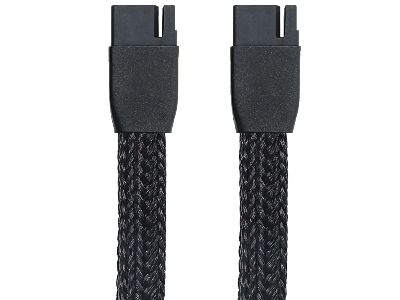
Choosing the Right Connector Materials for Surgical Robot Applications
Choosing the right connector materials for surgical robot applications is very important for safety, reliability, and performance. Surgical robots help doctors perform precise procedures, so every component must work correctly. Connectors act as bridges between different parts of the robot, including signal cable assemblies and electronic systems. They need to be strong, durable, cleanable, and suitable for demanding medical environments.
In sterile areas, cleanliness is essential. If connector materials cannot withstand cleaning and sterilization processes, they may degrade over time and affect robot performance. Companies such as UNIEAN focus on developing reliable connector solutions designed for demanding applications. Understanding material selection, common problems, performance requirements, and compliance can help manufacturers and buyers make better decisions.
What Materials Are Best for Surgical Robot Connector Applications?
When selecting materials for surgical robot connectors, several factors should be considered. One of the most important is biocompatibility. This means that materials intended to come into contact with the body should be suitable for that application and should not create unacceptable biological risks. Medical-grade plastics, stainless steel, and other specialized materials may be used depending on the connector design and its intended location.
Sterilization resistance is another important consideration. Surgical equipment may be exposed to high temperatures, chemicals, moisture, or repeated cleaning procedures. Connector materials must be selected according to the specific sterilization and disinfection processes they are expected to withstand. A material that performs well under normal conditions may not be suitable for repeated exposure to aggressive cleaning agents.
Weight can also influence material selection. Surgical robots contain many moving components, so unnecessarily heavy parts may affect movement and mechanical design. Lightweight engineering plastics can sometimes be used where appropriate, while metals such as stainless steel or titanium may be selected when greater mechanical strength is required.
Electrical performance is equally important for connectors used in signal cable assemblies. The materials used around conductive components need to support stable signal transmission and provide suitable insulation. A properly designed connector can help maintain reliable communication between different robot components. UNIEAN focuses on wiring connectors solutions designed around these considerations, helping manufacturers select materials that balance strength, cleanliness, durability, weight, and electrical performance.
Essential Connector Materials for Optimal Surgical Robot Performance
Different connector applications may require different combinations of materials. There is no single material that is ideal for every surgical robot design. Instead, manufacturers often combine metals, plastics, elastomers, and other engineered materials to achieve the required performance.
Stainless steel is widely valued for its strength, durability, and resistance to corrosion. It can be useful for structural portions of connectors where mechanical strength and resistance to repeated cleaning are important. Titanium may also be considered for specialized applications because of its strength-to-weight characteristics and corrosion resistance.
Specialized engineering plastics provide another option. They can be lightweight and can be molded into complex shapes, allowing manufacturers to create connector housings and insulating components that fit compact robot designs. The specific plastic must be selected according to temperature resistance, chemical exposure, mechanical requirements, and the intended medical application.
Silicone and other elastomeric materials can also be useful when flexible sealing is required. A suitable seal can help protect connector components from moisture, dust, or other environmental exposure. However, the selected material must be compatible with the cleaning and sterilization conditions associated with the application.
The combination of these materials can influence the overall performance of a surgical robot. A strong housing, reliable electrical contacts, appropriate insulation, and suitable sealing components can work together to create a dependable waterproof wire connectors assembly.
For manufacturers working with surgical robotics, material selection should therefore be based on the complete operating environment rather than simply choosing the strongest or least expensive material.
What Are Common Usage Issues with Connector Materials for Surgical Robot Signal Cable Assemblies?
Signal cable assemblies in surgical robots need to operate reliably because they transmit important electrical signals between system components. However, poor material selection or unsuitable operating conditions can create several problems.
One common issue is material wear. Connectors may experience repeated insertion, removal, movement, or mechanical stress. If the connector housing or contact components are not durable enough, they can wear over time. This may eventually affect electrical performance or create intermittent connections.
Heat and moisture can create additional challenges. Surgical environments involve cleaning, disinfection, and sterilization procedures, while equipment may also experience temperature changes. Materials that cannot tolerate these conditions may become brittle, deform, or lose their required properties.
Chemical exposure should also be considered. Cleaning agents and disinfectants can affect certain plastics, elastomers, coatings, and other materials. Repeated exposure may cause discoloration, cracking, swelling, or degradation. Therefore, material compatibility should be evaluated against the actual cleaning products and procedures used by the facility. Poor mechanical fit is another potential problem. If a wire to board connector does not properly match the cable or mating component, signal interruptions can occur. A secure connection is particularly important in surgical robotics because unexpected signal loss can affect system operation. UNIEAN emphasizes material quality and connector design to help address these challenges. Proper engineering, testing, installation, and maintenance are all important for maintaining reliable performance throughout the connector's intended service life.
How Does Connector Material Quality Affect Surgical Robot Efficiency?
Connector material quality can directly influence the reliability and efficiency of a surgical robot. A connector may be a relatively small component, but a failure can affect a much larger system. High-quality materials can help connectors maintain their mechanical and electrical properties over repeated use. Stable electrical contacts can support consistent signal transmission, while durable housings can protect internal components from physical damage.
Reliability is especially important in complex robotic systems. If a connector develops a fault, technicians may need to inspect the system, identify the problem, replace the component, and perform additional testing. This can increase maintenance requirements and contribute to equipment downtime.
Good material selection can also support compact and efficient designs. Lightweight plastics can reduce unnecessary weight, while appropriately selected metals can provide strength where it is needed. This balance can help manufacturers design connectors that meet the mechanical requirements of surgical robots without adding unnecessary bulk.
Another advantage is improved resistance to environmental conditions. Materials that are compatible with the required cleaning and sterilization procedures can help connectors maintain their properties through repeated cycles. This is important for medical equipment that needs consistent maintenance.
At UNIEAN, focusing on connector material quality can help support dependable signal transmission and mechanical performance. For surgical robot manufacturers, choosing suitable materials is an important step toward building reliable systems.
How Can Manufacturers Ensure Compliance with Connector Material Requirements?
Compliance should be considered throughout the connector development process. Manufacturers first need to identify the applicable requirements for the intended medical application, market, and device design. The exact requirements can vary depending on how and where the connector is used.
Material selection should then be based on documented specifications and the intended operating environment. Manufacturers need to consider factors such as mechanical strength, electrical performance, chemical resistance, temperature resistance, sterilization compatibility, and biological safety where applicable.
Testing is another important part of the process. Connectors may need to undergo mechanical, electrical, environmental, and material-related evaluations. Testing should reflect the conditions the product is expected to experience during its intended use.
Documentation is equally important. Manufacturers should maintain records covering material specifications, supplier information, testing results, design changes, and quality-control activities. Good documentation makes it easier to demonstrate that appropriate processes have been followed.
Regular reviews can also help maintain consistent quality. If a material, supplier, manufacturing process, or cleaning procedure changes, the connector may need to be reevaluated to ensure that its performance remains suitable.
For companies such as UNIEAN, maintaining a strong focus on quality control and compliance can help create connector solutions that meet the demanding requirements of surgical robotics. Ultimately, the right materials, careful testing, and proper documentation work together to support safer and more reliable medical equipment.
Table of Contents
- Choosing the Right Connector Materials for Surgical Robot Applications
- What Materials Are Best for Surgical Robot Connector Applications?
- Essential Connector Materials for Optimal Surgical Robot Performance
- What Are Common Usage Issues with Connector Materials for Surgical Robot Signal Cable Assemblies?
- How Does Connector Material Quality Affect Surgical Robot Efficiency?
- How Can Manufacturers Ensure Compliance with Connector Material Requirements?