EN
EN

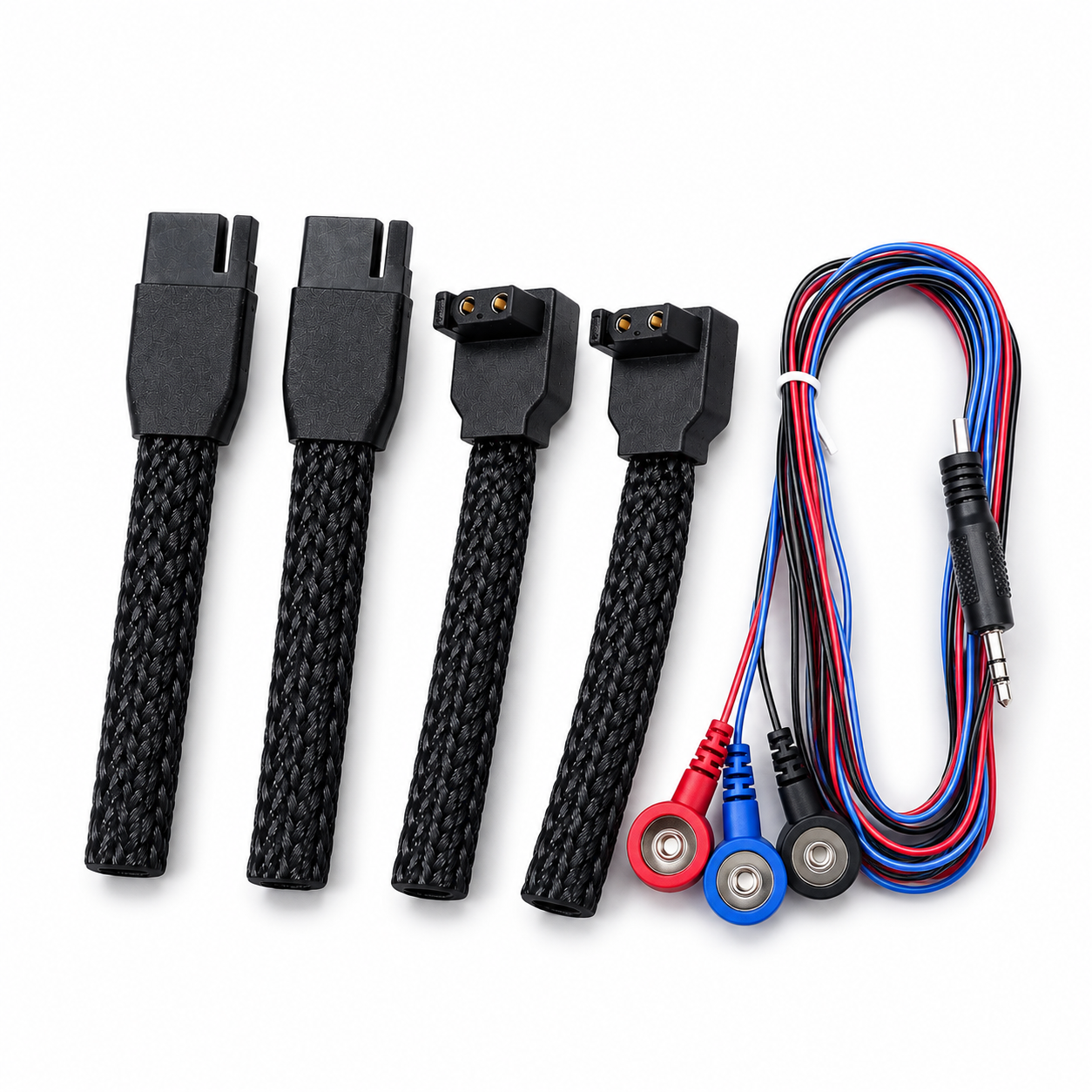
Three-lead ECG cables are important tools used in hospitals and clinics to monitor heart activity. These cables are connected to a device called an ECG machine, which measures the electrical signals of the heart. When a doctor or nurse wants to check how well a patient's heart is working, they use these cables. The cables have three leads that attach to the skin, usually on the chest, arms, and legs. The ECG machine records the heart's rhythm and helps doctors find problems like irregular heartbeats or other conditions. As a brand, UNIEAN focuses on making high-quality ECG cables that are reliable and easy to use. If you are looking for durable options, consider our Heavy-Duty Industrial Outdoor Connector IP68 that ensures high performance in medical environments.
Using three-lead ECG cables offers several advantages for heart monitoring. First, they provide a clear picture of the heart's activity. The three leads help pick up different electrical signals from the heart, making it easier for doctors to see any issues. This is very important, especially in emergencies when quick decisions need to be made. For example, if a patient is having chest pain, the ECG can show if there is a serious problem, like a heart attack. Also, the cables are designed to be comfortable for patients. Unlike other types of monitoring that may use more leads and be more complicated, three-lead systems are simple and less invasive. This means patients can feel at ease during the procedure. Another benefit is the quick setup. The cables can be attached to the patient in just a few minutes, allowing doctors to start monitoring heart activity right away. Time is crucial in medical situations, and having a fast setup can make a big difference. Moreover, three-lead ECG cables are usually lighter and easier to handle. This is important for healthcare workers who need to move quickly between patients. With UNIEAN’s cables, users can expect durability and reliability. They are made to last and withstand daily use in busy medical environments. This means fewer replacements are needed, saving costs for hospitals and clinics. Finally, three-lead ECG monitoring is often sufficient for routine check-ups and basic heart assessments. This helps in reducing unnecessary tests and makes the process more efficient. Overall, the three-lead ECG cables provide an excellent balance of effectiveness, comfort, and convenience for heart monitoring.