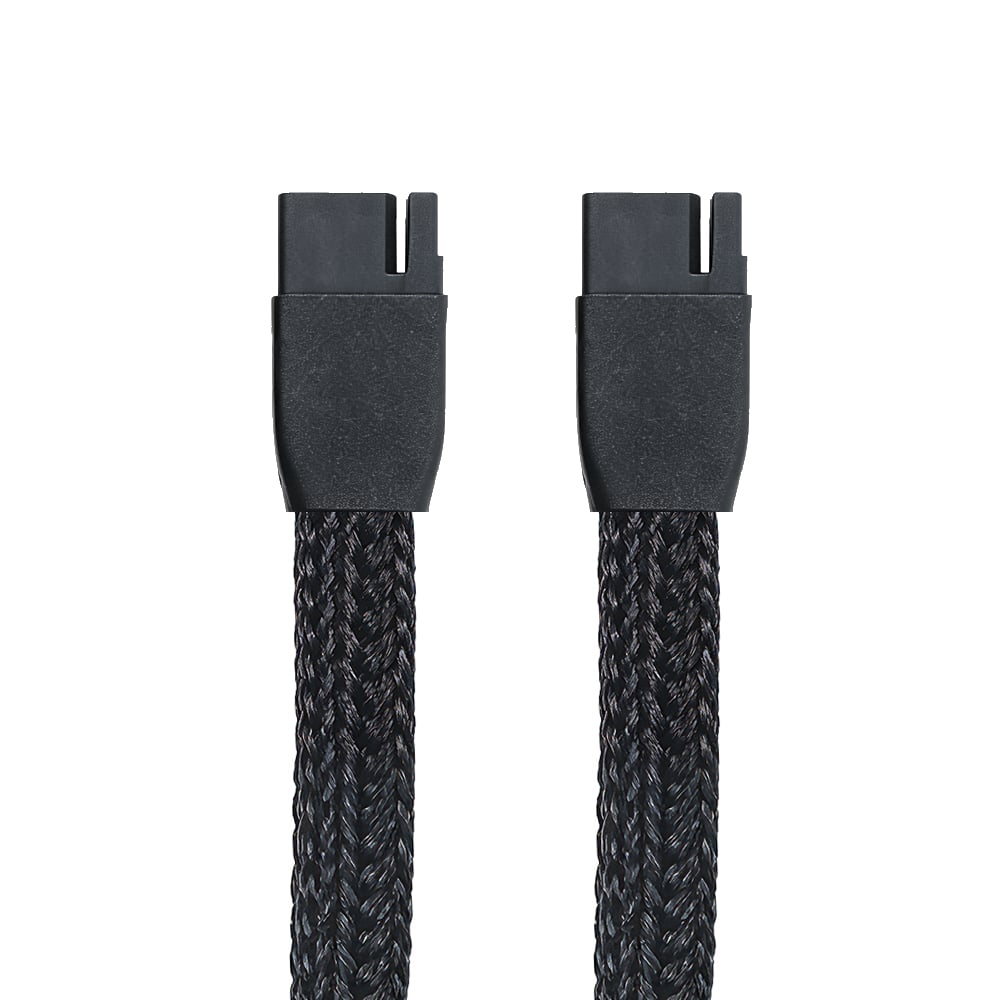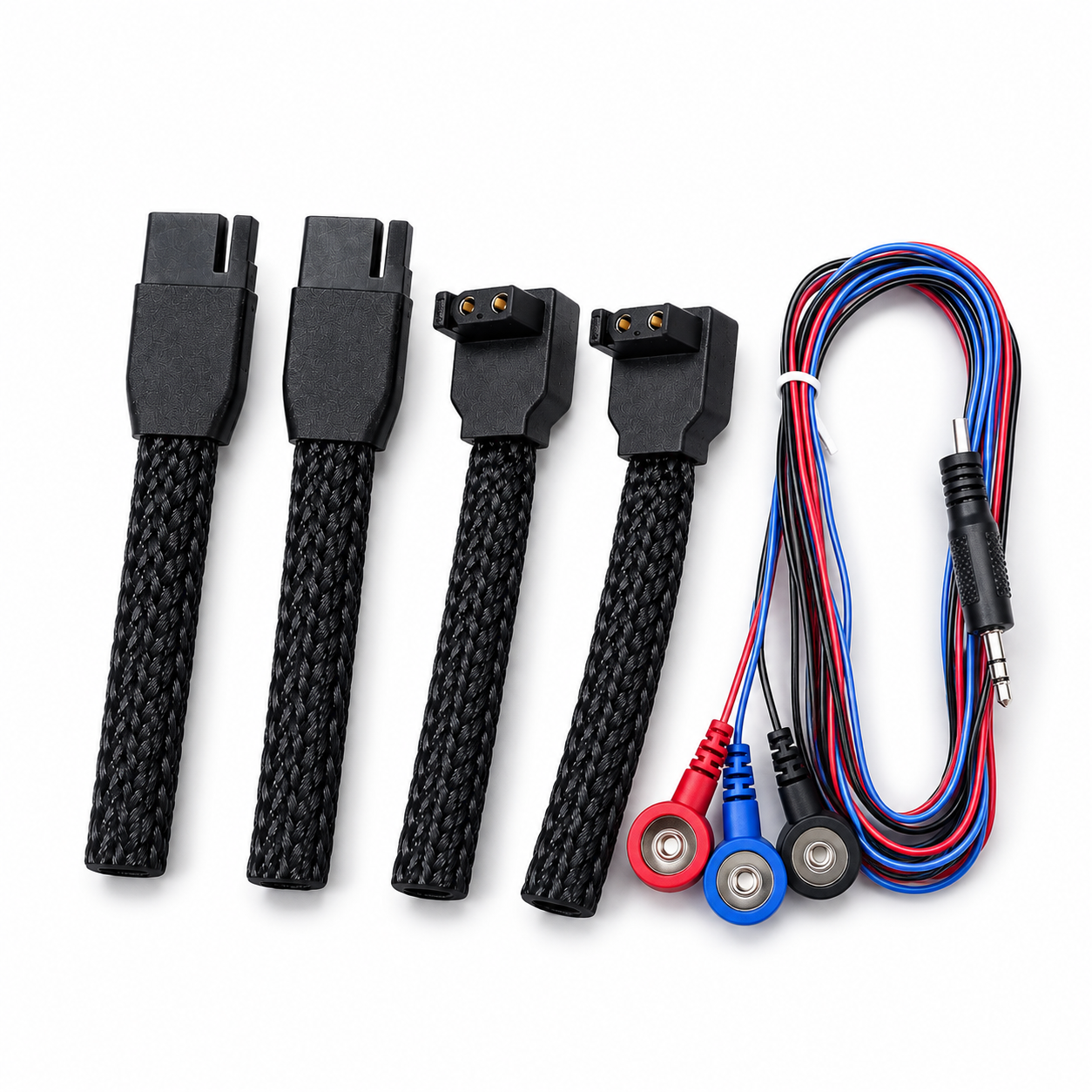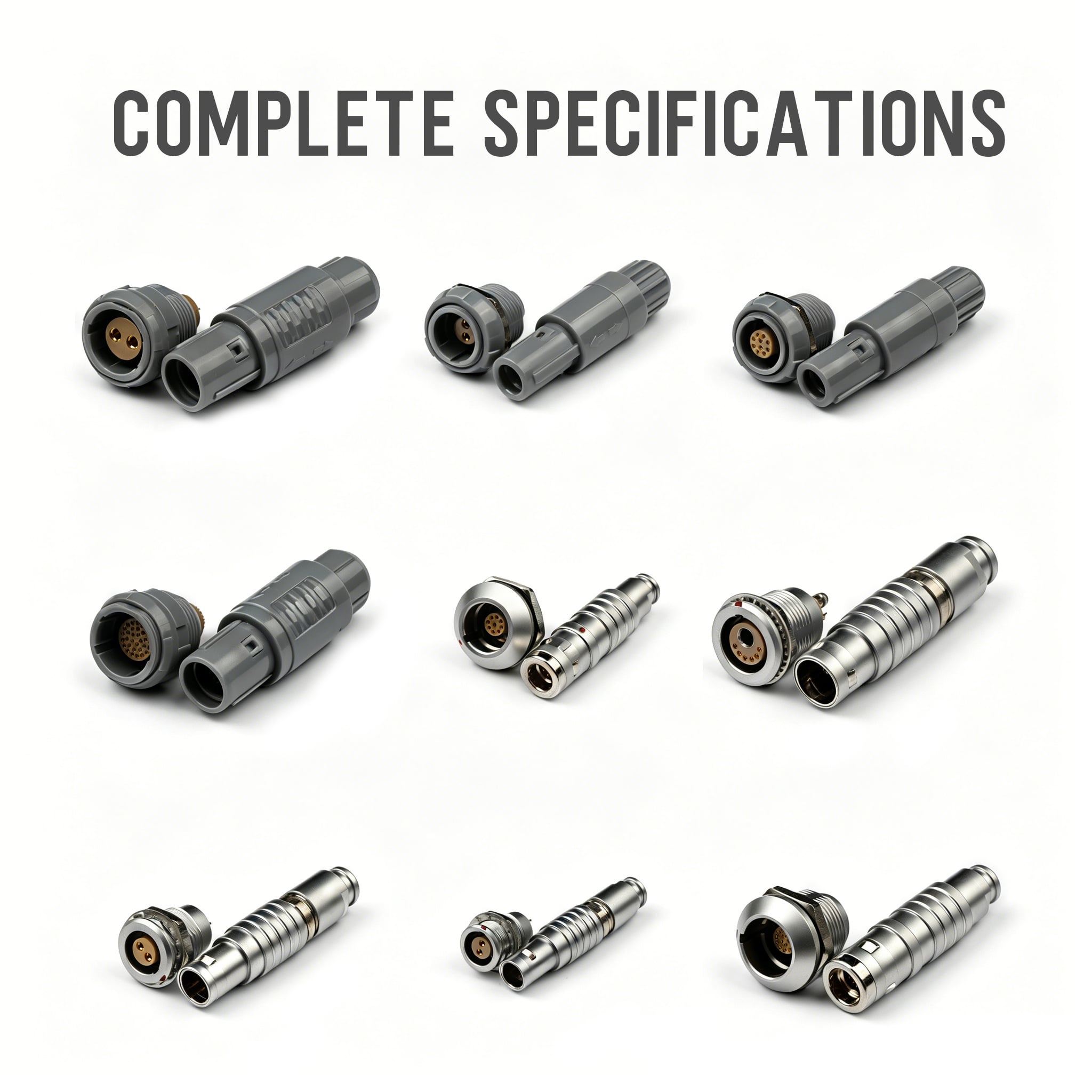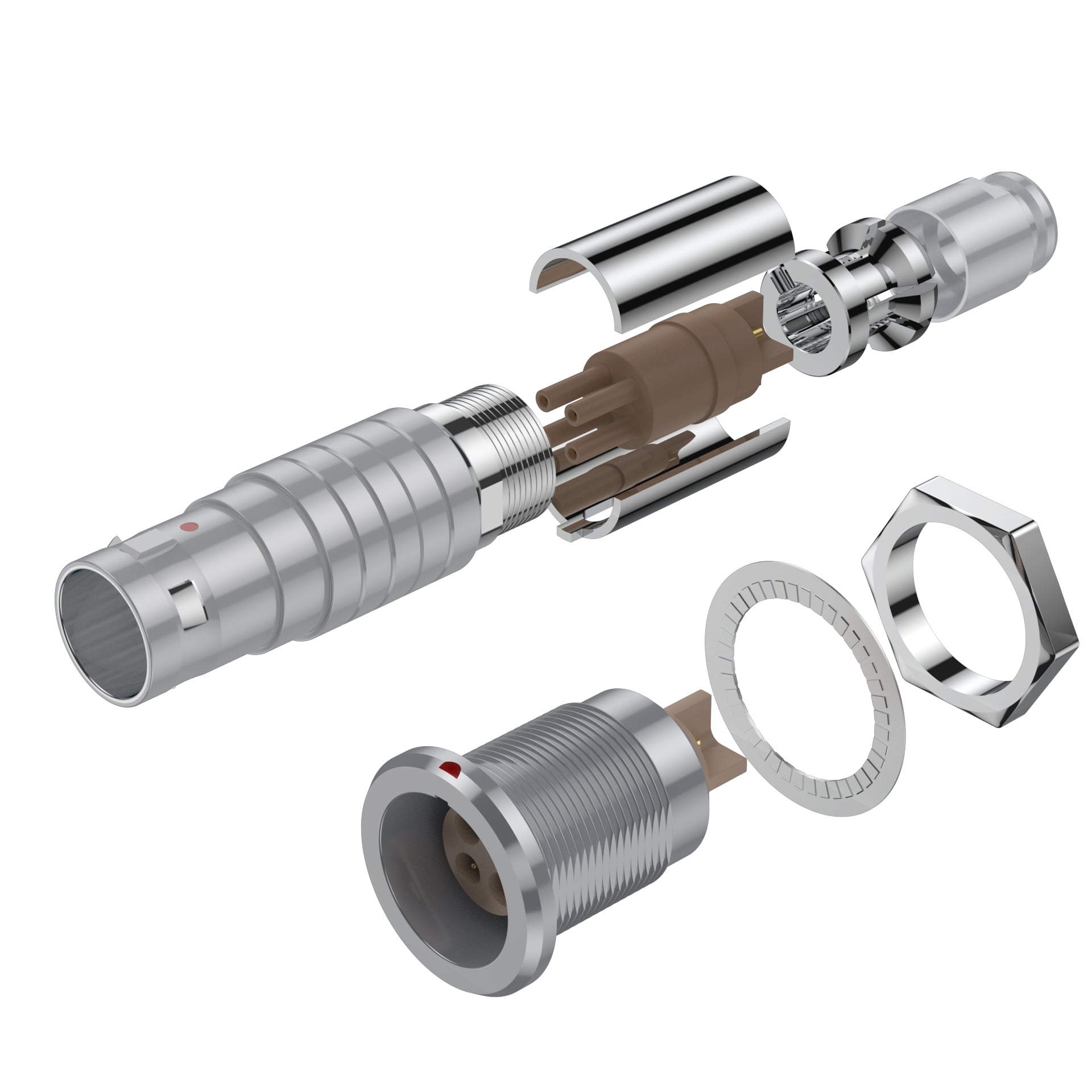
As global manufacturing facilities rapidly transition to Industry 4.0, industrial automation has reached unprecedented speeds. From multi-axis collaborative robots (cobots) to high-speed packaging lines and massive automated logistics sorting systems, machinery is in constant, rapid motion. While much of the industry's attention is focused on advanced AI algorithms and smart sensors, the physical bottleneck of these advanced systems often lies in a much simpler component: the internal cabling.
In dynamic mechanical environments, standard wiring is subjected to non-stop physical stress. Repetitive bending, twisting, and pulling inevitably lead to conductor fatigue, micro-fractures, and eventual cable failure. When internal wiring breaks, the entire production line grinds to a halt, resulting in catastrophic downtime and expensive emergency maintenance. To achieve true operational resilience, modern automated equipment manufacturers are shifting from general-purpose wires to specialized, high-flexibility and bend-resistant mechanical internal wiring.
In a dynamic automated cell, such as a heavy-duty CNC machine or a robotic sorting gantry, cables are installed inside drag chains or routed through articulating joints. As these components execute reciprocating movements, the internal wiring experiences continuous tension and compression.
Standard copper wires possess rigid, large-diameter conductors that quickly work-harden under repetitive bending. This hardening leads to micro-cracking, which increases electrical resistance, distorts signal transmission, and ultimately causes complete core wire breakage.
Our specialized mechanical internal wiring solves this dynamic wear issue at a molecular level. By utilizing high-flex tinned copper stranded conductors, the cable distributes mechanical stress across hundreds of ultra-fine, twisted copper filaments. This advanced stranding pitch ensures that the conductor can bend repeatedly without concentrating stress on a single point, allowing the cable to easily withstand over 10,000 repeated bending cycles without core wire breakage.
Mechanical durability is only half the battle. Modern factory floors are harsh, chemical-laden environments where cables must withstand exposure to oils, extreme temperatures, and mechanical friction. Selecting the right combination of outer jackets and insulation layers is critical to preventing premature cable degradation.
Cable Layer Customization Matrix
Step 1: Outer Jacket Options We select Oil-Resistant PUR, Flame-Retardant XLPE, or LSZH PVC depending on your field environment to ensure the cable remains physically intact.
Step 2: Shielding & Structural Support Optional overall braided shielding is applied to block out external electrical noise from adjacent high-power industrial devices.
Step 3: Internal Insulation Layers Modified PP or PEEK material is used to provide robust thermal isolation and mechanical separation between inner cores.
Step 4: Conductive Elements An ultra-fine High-Flex Tinned Copper Stranded Core is deployed to handle the physical demands of continuous reciprocating motion.
● Oil-Resistant PUR (Polyurethane): For CNC machine tools and metal-cutting machinery, exposure to corrosive cutting fluids, coolants, and industrial lubricants is constant. Polyurethane outer jackets offer exceptional tear resistance, oil immunity, and long-term elasticity under continuous motion.
● Flame-Retardant XLPE & LSZH PVC: In high-density control cabinets or enclosed automation hubs, fire safety is paramount. Cross-linked Polyethylene (XLPE) provides superior thermal resistance up to 125°C, while Low-Smoke Zero-Halogen (LSZH) PVC ensures that in the event of an electrical fault, the cable emits no toxic halogen gases, protecting both human life and nearby sensitive electronics.
● PEEK & Modified PP Insulation: Protecting the internal copper conductors requires high-performance insulation. By utilizing PEEK or Modified Polypropylene, our cables maintain structural integrity and a low dielectric constant, even when operating in temperatures ranging from -30°C up to +125°C.
In modern smart factories, signal integrity is just as important as physical durability. Industrial environments are highly crowded with electromagnetic noise generated by high-power servo motors, variable frequency drives (VFDs), and wireless communication nodes. If internal control wiring lacks proper shielding, this electromagnetic interference (EMI) can distort feedback signals, leading to positioning errors, automated system glitches, or emergency halts.
To ensure pristine signal transmission, our mechanical internal wiring is available with optional overall braided or foil shielding. This protective barrier effectively isolates sensitive communication and control lines, fully complying with global IEC 61010 industrial safety standards. By shielding the internal wire core, automated systems can operate adjacent to high-power motors without experiencing any signal distortion or communication loss.
For global automation equipment manufacturers and EPC contractors, assembly efficiency directly impacts project profitability. Traditional on-site cable preparation—involving manual cutting, stripping, terminal crimping, and electrical testing—is not only time-consuming but also introduces human error. A single poorly crimped terminal can compromise an entire system.
To streamline the assembly process, we offer pre-terminated wiring harnesses with pre-crimped, industry-standard connectors. Manufactured in our state-of-the-art Dongguan facility, these assemblies are engineered to match your equipment’s exact dimensional requirements, supporting customizable lengths from 0.1m to 50m and wire gauges from AWG 28 to AWG 4. By delivering ready-to-install, plug-and-play wiring harnesses directly to your production line, we eliminate on-site processing, reduce labor costs, and guarantee 100% factory-tested electrical continuity.
In the competitive global automation landscape, using generic electrical wires is a risk that manufacturers can no longer afford. Protecting your brand's reputation and ensuring your equipment's uptime requires engineered, high-flexibility interconnect solutions.
As an established factory in Dongguan, China, we offer comprehensive customization, rapid prototype turnaround, and flexible MOQ arrangements. By sharing your system’s internal layout drawing and bending cycle requirements, our team will develop a dedicated mechanical internal wiring plan—supported by free 3D CAD modeling and prototype samples—to help you build more reliable, future-proof industrial systems.
 Hot News
2026-07-19
2026-07-17
2026-06-26
 EN
EN