 EN
EN

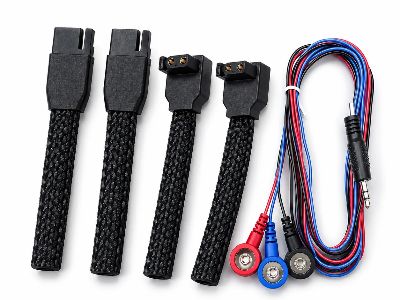
Wire Connectors for Surgical Robots Biocompatibility, Disinfection, and Performance
Surgical robots are advanced machines that help doctors perform complex procedures with greater precision and control. One important component inside these systems is the wire connector. These connectors help establish reliable electrical connections between different parts of the robot, allowing signals and power to move correctly. Because surgical robots are used in healthcare environments, their components must meet demanding requirements for safety, durability, and cleanliness.
Two especially important considerations are biocompatibility and disinfection compatibility. Biocompatibility means that materials intended to come into contact with the body should be appropriately selected and evaluated for their intended use. Disinfection compatibility means the connector can withstand the cleaning and disinfection processes required for the equipment without losing its performance. At UNIEAN, careful attention to these factors can help support reliable connector solutions for surgical robotic applications.
How to Ensure Optimal Disinfection Compatibility in Surgical Robot Wire Connectors?
Disinfection is essential in healthcare because surgical equipment must be maintained in a clean condition to reduce contamination risks. Wire connectors used in surgical robotic systems therefore need materials and designs that are compatible with the cleaning procedures specified for the equipment.
Material selection is an important starting point. Depending on the application, connectors may incorporate engineered plastics, metals, insulation materials, and protective components that can withstand repeated exposure to approved cleaning or disinfecting agents. The exact compatibility should always be verified against the manufacturer's recommended cleaning procedure rather than assuming that every connector can tolerate every chemical.
Connector design is equally important. Smooth surfaces and accessible structures can make cleaning easier. Deep grooves, unnecessary cavities, or difficult-to-reach areas can make maintenance more challenging. A well-designed connector should allow healthcare technicians to follow the required cleaning process without unnecessary difficulty.
Repeated cleaning is another factor to consider. Surgical robotic equipment may be cleaned many times throughout its service life. waterproof wire connectors should therefore be evaluated for changes in appearance, mechanical performance, insulation, sealing, and electrical reliability after appropriate cleaning cycles.
Clear cleaning instructions are also valuable. Manufacturers should provide guidance about compatible cleaning agents, concentration limits, exposure times, temperatures, and other relevant conditions. Following these instructions helps protect the connector while supporting proper equipment maintenance. At UNIEAN, focusing on material selection, connector construction, testing, and practical maintenance requirements can help create wire connectors suitable for demanding surgical robotic environments.
What Biocompatibility Means for Surgical Robot Wire Connectors?
Biocompatibility is another important consideration when selecting wire connectors for medical applications. In simple terms, it concerns whether a material is appropriate for its intended contact with the human body and whether it performs safely under the conditions for which it is designed. Not every component inside a surgical robot will necessarily contact a patient. Therefore, the required evaluation depends on the connector's location, materials, intended use, and type and duration of contact. Manufacturers and medical-device developers need to determine the applicable requirements for the specific application. Material selection can have a major effect on this process. Components that may have direct or indirect contact with patients require careful consideration of their material composition and potential biological effects. Materials should also maintain their physical and electrical properties throughout the expected service life.
Disinfection and biocompatibility can also be connected. A material that is suitable before cleaning must continue to perform properly after repeated exposure to the cleaning and disinfection process used for the device. Changes such as cracking, swelling, degradation, or surface damage could affect the connector's reliability. For this reason, developers should consider the complete use environment rather than evaluating biocompatibility as an isolated feature. Combining suitable materials, appropriate construction, and documented testing helps support safer medical equipment development.
Key Factors to Consider When Choosing Wire Connectors for Surgical Robots
Choosing wire connectors for surgical robots requires more than simply selecting a connector that fits physically. Several technical characteristics should be considered before making a decision. Electrical performance is one of the first factors. The connector needs to support the required voltage, current, signal type, and transmission characteristics of the robotic system. Poor electrical connections can cause intermittent signals, communication problems, or equipment downtime. Mechanical durability is also important. Surgical robots contain moving components, so connectors and cables may experience repeated movement, vibration, bending, or mechanical stress. The connector should be appropriate for the expected operating conditions and movement cycles.
Size and configuration should match the available space inside the robotic system. Medical equipment often contains many components in compact areas. A connector that is too large or difficult to route could complicate assembly and maintenance. Ease of installation and replacement can also affect maintenance efficiency. If a connector eventually needs service, technicians should be able to access and replace it without unnecessarily complicated procedures. Environmental resistance should also be reviewed. Depending on its location, a connector may need protection against moisture, cleaning agents, temperature changes, vibration, or other environmental factors. Finally, manufacturers should consider relevant regulatory and quality requirements for the medical device in which the connector will be used. The connector's specifications should be evaluated as part of the complete medical-device system rather than independently.
Where to Find High-Quality Wire Connectors for Surgical Robots?
Finding a suitable supplier is an important step when sourcing wire connectors for surgical robotics. Medical applications require greater attention to quality and consistency than many general industrial applications, so buyers should evaluate suppliers carefully. A good starting point is to work with manufacturers that have experience producing connectors for demanding applications. Buyers can ask about material specifications, manufacturing processes, quality-control procedures, testing capabilities, and available technical documentation.
It is also useful to review the connector's technical specifications before purchasing. Important information may include electrical ratings, mechanical dimensions, mating cycles, operating temperatures, sealing characteristics, materials, and applicable test results.
For wholesale purchases, buyers should also consider production capacity and consistency. A supplier may provide an excellent prototype but still need to demonstrate that the same quality can be maintained during larger production runs.
UNIEAN can be considered when sourcing insulated wire connectors solutions for specialized applications. Buyers should communicate their requirements clearly, including the robotic system's operating environment, connector dimensions, electrical requirements, cleaning procedures, and expected service conditions. This allows the manufacturer to determine whether an existing connector or customized solution is appropriate.
Emerging Innovations in Surgical Robot Wire Connector Technology
Surgical robotics continues to develop, and connector technology is evolving alongside these systems. Smaller robotic platforms and increasingly sophisticated instruments can create new requirements for electrical and mechanical connections. One area of development is flexible connector technology. Flexible designs can help accommodate repeated movement while reducing unnecessary stress on cables and connection points. This can be particularly useful in robotic mechanisms that move through multiple axes.
Another area is improved environmental protection. Connector designs may incorporate better sealing and protective structures to help maintain electrical reliability in demanding environments. However, the appropriate protection level depends on the specific application and equipment design.
Miniaturization is another important trend. As robotic instruments become more compact, manufacturers need quick connect wire connectors that provide reliable electrical performance while occupying less space. Smaller components can help designers make better use of limited internal space.
Smart monitoring is also an emerging concept. Future connector systems may incorporate sensing or diagnostic capabilities that help identify temperature changes, connection problems, or other conditions. Such information could potentially support preventive maintenance and reduce unexpected equipment downtime. UNIEAN can continue developing connector solutions by focusing on material performance, reliable electrical connections, mechanical durability, and application-specific requirements. As surgical robotics advances, dependable wire connectors will remain an important part of creating safe, precise, and reliable medical equipment.
Table of Contents
- Wire Connectors for Surgical Robots Biocompatibility, Disinfection, and Performance
- How to Ensure Optimal Disinfection Compatibility in Surgical Robot Wire Connectors?
- What Biocompatibility Means for Surgical Robot Wire Connectors?
- Key Factors to Consider When Choosing Wire Connectors for Surgical Robots
- Where to Find High-Quality Wire Connectors for Surgical Robots?
- Emerging Innovations in Surgical Robot Wire Connector Technology